






Filipino food is one of the most intriguing aspects of traveling to the Philippines. A blend of Spanish, Chinese, and Malaysian influences accumulated over centuries of trade and colonization, Filipino cuisine boasts flavors unlike any other Asian cuisine. From comforting traditional dishes to street food stalls ubiquitous on every corner, to truly exotic dishes worthy of being told as a travel story, Filipino food rewards those willing to try a little bit of everything.
In this guide, we review the most famous traditional Filipino dishes, then move on to street food and exotic dishes worth trying, and finally to the best restaurants in Manila and Arabic restaurants there for those who want to be absolutely sure of the source of the food.
Filipino cuisine: must-try dishes
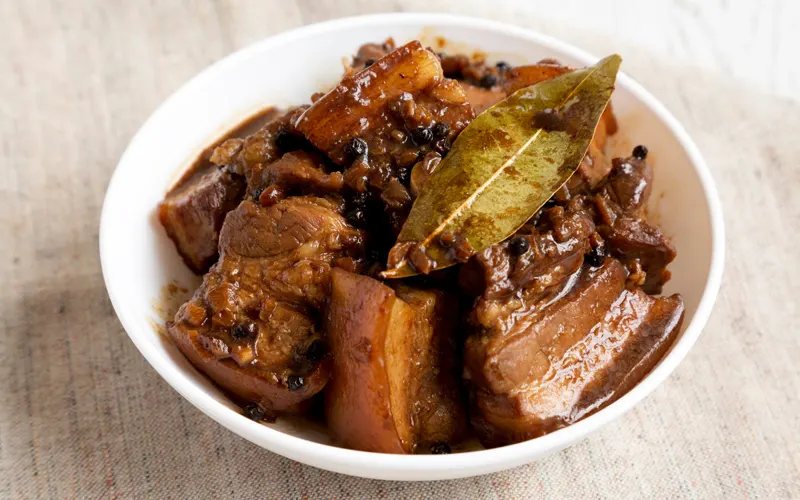
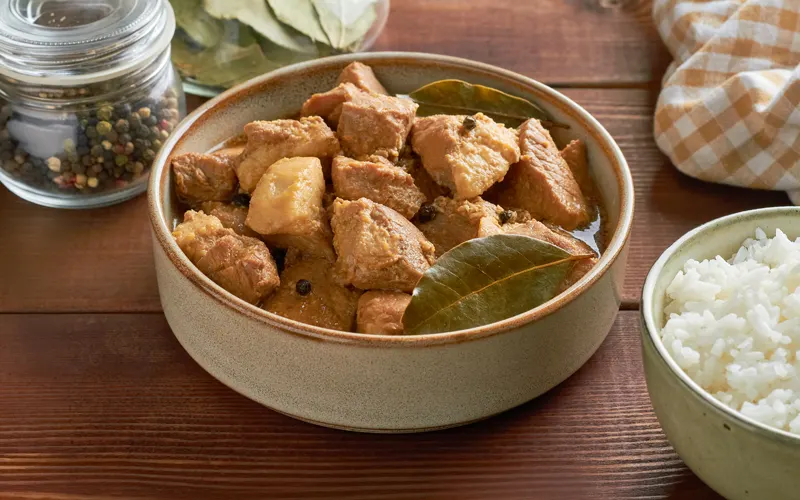
- Adobo: The unofficial national dish of the Philippines, and arguably the most famous Filipino dish of all. Meat or chicken is slowly cooked in soy sauce, vinegar, garlic, and bay leaves. Its name comes from the Spanish word adobar, meaning marinade, although this cooking method is authentically Filipino and predates the arrival of the Spanish themselves, as the indigenous people used it primarily to preserve meat in a hot tropical climate before refrigeration was available.
- Lechón: A whole pig roasted over charcoal for hours until its skin is crispy and its meat is very tender. It is typically served at major events and celebrations such as birthdays and weddings. Cebu City is particularly famous for its version of lechón, which is marinated inside with herbs and spices, and is considered one of the most popular versions of this dish in the entire country.
- Senegang: A tangy soup, often based on tamarind, though some regions use lemon, green tomatoes, or even guava as a substitute for acidity. Prepared with meat or seafood and vegetables such as eggplant, white radish, and water spinach, it’s a favorite home-cooked dish, especially on rainy days.
- Curry-curry: A slow-cooked dish in a rich, thick peanut sauce, traditionally served with oxtail or beef and vegetables such as eggplant and long beans. Originating in the Pampanga region, renowned for its rich cuisine, it is often served alongside a fermented prawn sauce to add a sharp, salty flavor that balances the richness of the peanuts.
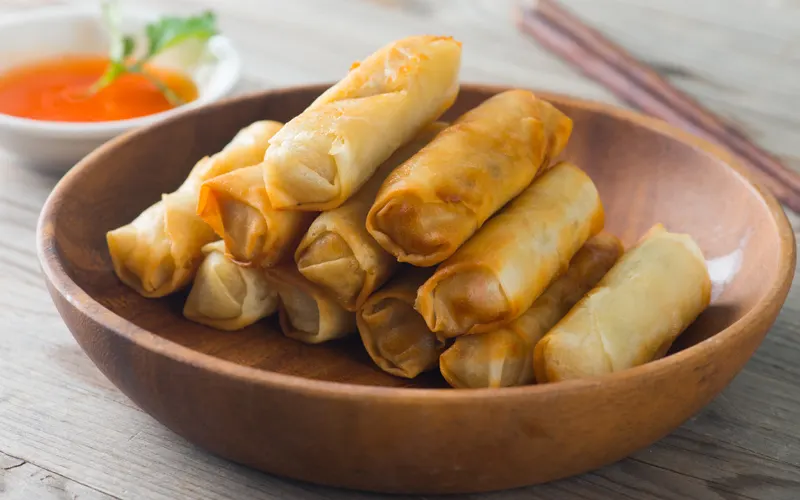
- Pancet and Lumbia: Deep-fried noodles with vegetables and meat, and crispy spring rolls filled with minced meat and vegetables. Pancet is traditionally served at birthdays because the length of the noodles symbolizes longevity in Filipino culture, which is influenced by Chinese traditions, while Lumbia is a staple side dish at almost every family gathering.
The most delicious Filipino sweets: Halo Halo and other sweets
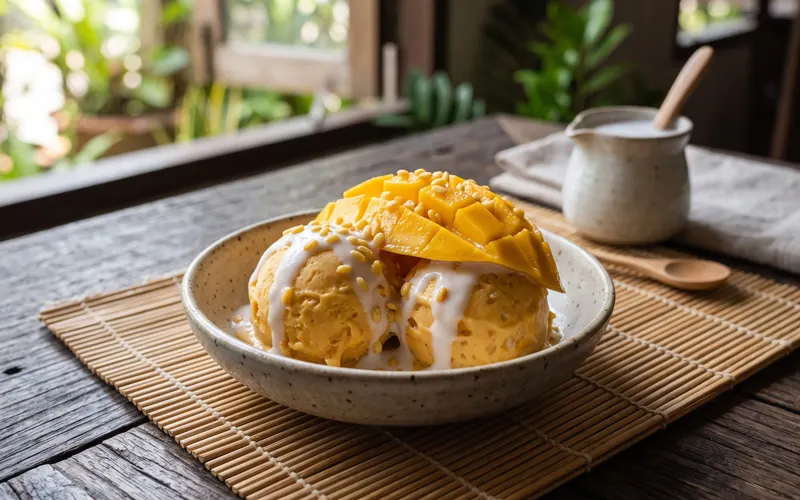
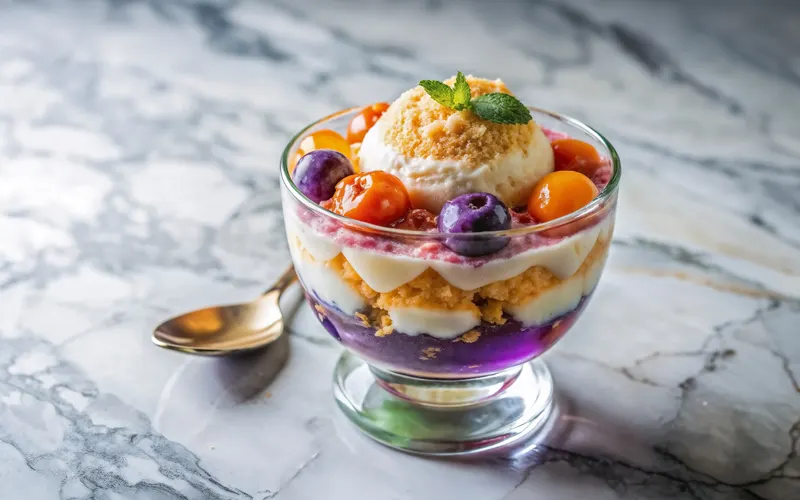
Halo halo, which literally means “mix mix” in Filipino, is the country’s most famous dessert: a tall glass of crushed ice, condensed or evaporated milk, and a colorful mixture of candied fruits, beans, and jelly, all stirred together before being eaten. It’s the perfect answer to the tropical heat, and you can find a version of it in almost every restaurant and food stall in the country. Also, don’t miss sorbetes, a homemade-style ice cream often made with coconut or buffalo milk, traditionally served inside a bun instead of a cone.
Street food in the Philippines: What to try
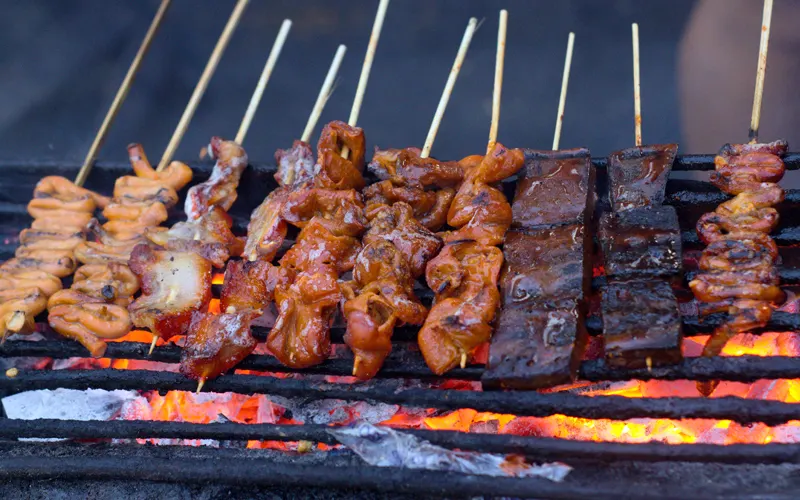
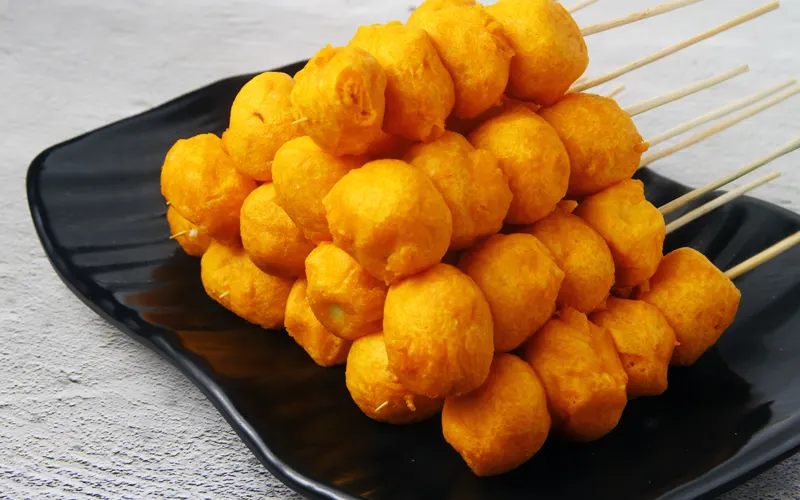
Popular food carts are ubiquitous in the Philippines, and experiencing a few of them is one of the best ways to understand Filipino everyday food culture up close.
- Esau: Chicken or pig intestines grilled on skewers, seasoned and grilled over charcoal. The roots of this popular dish go back to the 1970s when rising meat prices prompted vendors to creatively utilize every part of the animal.
- Quick-quick quail eggs coated in an orange batter thanks to the Achoite spices, then fried until crispy, and usually served with a spicy vinaigrette sauce.
- Tahoe: Warm, silky tofu drizzled with brown sugar syrup and tiny tapioca pearls, sold by street vendors carrying two metal bowls on a stick over their shoulder, calling out “Tahoe!” as they wander through residential neighborhoods.
- Fish balls and banana qoo: minced fish formed into balls and fried, and caramelized fried bananas on a stick, both are cheap classic snacks sold side by side on the street.
Exotic foods in the Philippines
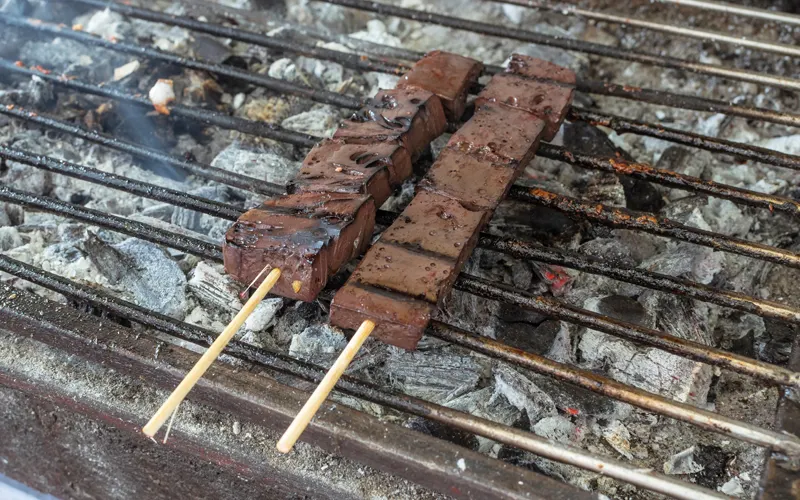
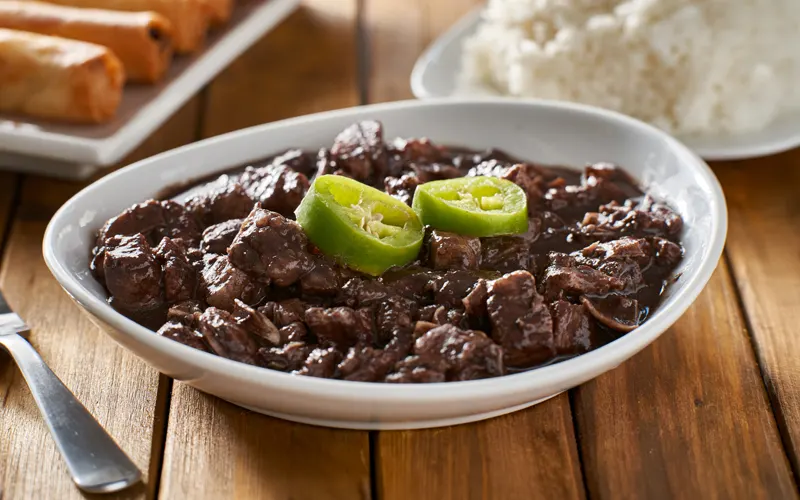
A range of dishes has contributed to giving the Philippines a reputation as one of Southeast Asia’s most daring food destinations, and trying at least one of them is a rite of passage for every adventurous visitor.
- Baloot: A fertilized duck egg that is incubated for 14 to 21 days, then boiled and eaten directly from its shell with salt or vinegar. It was introduced to the Philippines by Chinese traders in the 1880s.
- Dingouan: A dark and rich stew made from pig’s blood and offal cooked in vinegar and spices, sometimes called chocolate meat because of its dark color, and usually served with rice cakes or plain rice.
- Betamax: Cubes of clotted chicken or pig blood, grilled on skewers, named so because of their resemblance to old Betamax cassette tapes.
Best restaurants in Manila
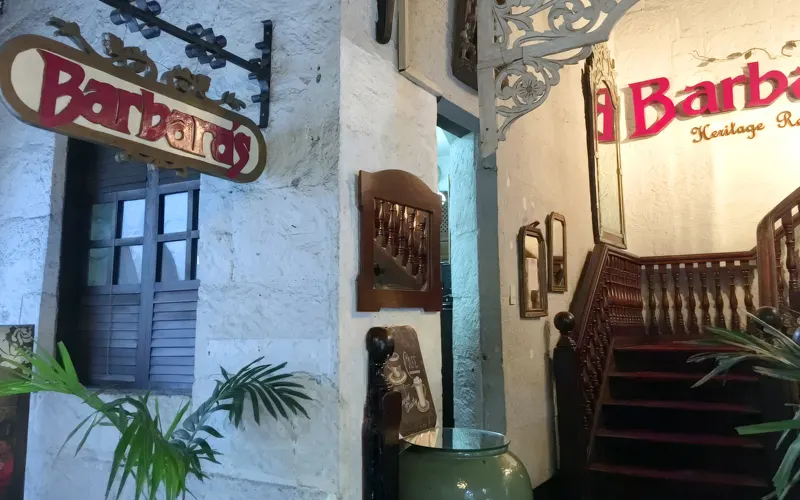
It is Barbras Heritage Restaurant One of Manila’s best restaurants for experiencing authentic Filipino cuisine in an exceptional historical setting, it’s located within a restored Spanish colonial building in the historic Intramuros district. The restaurant offers a lavish buffet featuring dishes such as adobo, kari-kari, and lechón kualé, along with a live cultural performance of traditional Filipino folk dances from various regions of the country, making it a dining and entertainment experience all in one.
Arabic restaurants in Manila
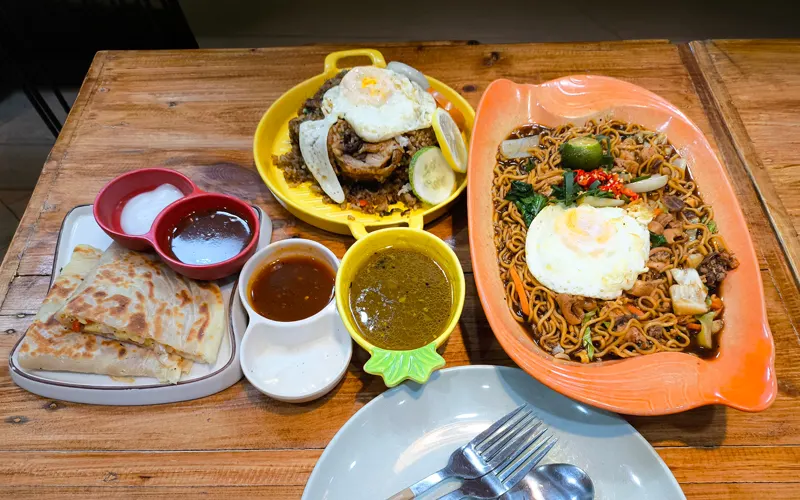

Most Arabic and halal restaurants in Manila are concentrated around the Quiapo neighborhood, near the Golden Mosque, the largest mosque in the Philippine capital. Some of the most reliable options there include:
- Shawarma Snack Center Restaurant It has been operating for over twenty-five years, and was originally established to serve Arab students studying at Manila universities. Today, it offers authentic Middle Eastern dishes at very reasonable prices.
- Arab Asian Risto Cafe A small cafe that blends Middle Eastern and Filipino cuisine, serving shawarma, kebabs, and hummus alongside local dishes such as adobo and seengang in a warm atmosphere.
Book your trip now
Now that you have a comprehensive guide to Filipino food and the best restaurants in Manila, you can compare your direct flights from Riyadh to Manila or from Jeddah to Manila Through the airport.


Frequently Asked Questions
What are the most popular dishes of Filipino cuisine?
Some of the most famous dishes of Filipino cuisine are adobo, lecho, sinegang, kari kari, panset, lumbia, and halo halo dessert.
What are the best restaurants in Manila?
Barbras Heritage Restaurant in the Intramuros neighborhood is one of the best restaurants in Manila to experience authentic Filipino cuisine with a live cultural show of folk dances.
Where are the Arabic restaurants in Manila?
Most of the Arabic and halal restaurants in Manila are concentrated around the Quiapo neighborhood near the Golden Mosque, and among the most prominent are Shawarma Snack Center and Arab Asian Risto Cafe.
Is Filipino food generally halal?
Not necessarily, as most traditional Filipino dishes contain pork, so it is preferable to go to certified Arabic or halal restaurants in areas such as Quiapo district to check the source of the food.
What is the national dish of the Philippines?
Adobo is the unofficial national dish of the Philippines, consisting of meat or chicken slow-cooked in soy sauce, vinegar, and garlic.