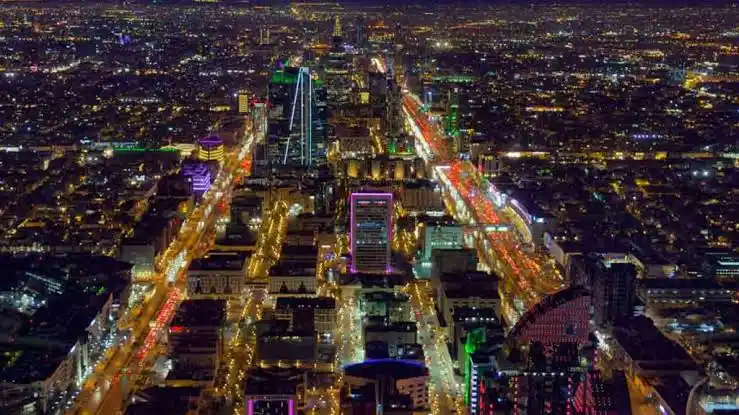
Riyadh Itinerary: How to Plan Your Visit
A successful Riyadh itinerary is built around geography rather than a list of attractions. Saudi Arabia’s capital stretches across a vast metropolitan area, with historic central Riyadh, the museums around King Abdulaziz Historical Center, modern districts farther north, Diriyah on the western side of the city and major desert excursions extending well beyond the urban area. Trying to move randomly between those places wastes time in traffic and turns an otherwise fascinating visit into a sequence of transfers.
The better approach is to divide Riyadh into distinct experience zones and give each enough time to make sense. Historic central Riyadh introduces the development of the modern Saudi state through Al Masmak, traditional markets and nearby heritage areas. The National Museum and Al Murabba provide broader historical context. Diriyah deserves its own substantial block because At-Turaif, Bujairi and the surrounding Wadi Hanifah landscape form a destination rather than a quick city attraction. Contemporary Riyadh then adds Kingdom Centre, KAFD, dining, art and entertainment, while the Tuwaiq escarpment provides a completely different outdoor experience beyond the capital.
If Riyadh is part of a larger trip rather than your only destination, use the broader Saudi Arabia travel guide to determine how the capital fits with AlUla, Jeddah, Aseer and other regions before committing to domestic transfers.
Riyadh Itinerary Planning at a Glance
| Planning block | Main focus | Best paired with | Main consideration |
|---|---|---|---|
| Historic central Riyadh | Al Masmak, Souq Al Zal, old commercial areas | Traditional dinner or nearby heritage | Best grouped geographically |
| Museum district | National Museum, Al Murabba | Historic central Riyadh | Allow time for interpretation |
| Diriyah | At-Turaif, Bujairi, JAX, Wadi Hanifah | Late afternoon and evening | Separate western-city cluster |
| Modern Riyadh | Kingdom Centre, KAFD, contemporary districts | Dining and evening activities | Attractions are spread out |
| Entertainment block | Boulevard and current venues | Evening dining | Check current schedules |
| Outdoor excursion | Edge of the World/Tuwaiq | Sunset where appropriate | Requires transport planning |
| Flexible buffer | Café, shopping, hotel break | Any part of the trip | Protects against traffic and delays |
A practical Riyadh itinerary usually combines no more than two substantial geographic areas in the same day. Riyadh rewards depth more than constant movement.
Start by Understanding Riyadh’s Scale
Many visitors first look at Riyadh on a small digital map and assume the major attractions sit close together. They do not.
Historic districts, museums, financial towers, restaurants, large entertainment developments, Diriyah and outdoor excursions can be separated by significant road distances. Even when the actual distance looks modest, traffic and the time required to enter or exit large complexes can turn a short-looking transfer into a meaningful part of the day.
Riyadh’s metro network now provides six lines—Blue, Red, Orange, Yellow, Green and Purple—and the official network map also shows interchange stations, bus links, airport connectivity and parking. This substantially improves public transport options, but it does not eliminate the need for taxis or ride-hailing when attractions sit away from convenient stations.
Therefore, build the Riyadh itinerary before choosing transport for each section.
You might use metro for one part of the city, ride-hailing between two attractions, and a private or organized vehicle for Diriyah or a desert excursion. There is no benefit in forcing the entire trip onto one transportation method.
The Five Core Riyadh Itinerary Zones
The easiest way to plan the capital is to think in five broad zones rather than dozens of attractions.
1. Historic Central Riyadh
This is where you place Al Masmak, Souq Al Zal and nearby traditional commercial areas.
2. King Abdulaziz Historical Center
The National Museum and Al Murabba belong naturally together and can connect with central Riyadh without creating an inefficient cross-city day.
3. Diriyah
At-Turaif, Bujairi, JAX and Wadi Hanifah form a western Riyadh cluster that deserves substantial time of its own.
4. Modern Riyadh
Kingdom Centre, KAFD, modern architecture, shopping, dining and contemporary cultural districts belong to another part of the itinerary.
5. Riyadh Province Outdoor Excursions
The Edge of the World and other Tuwaiq landscapes should be treated as dedicated excursions rather than attractions squeezed between city stops.
Once those zones are clear, the Riyadh itinerary becomes much easier to organize.
Build the Historical Part of Your Riyadh Itinerary First
For most first-time visitors, history provides the best foundation.
Begin with either the National Museum or historic central Riyadh, then use Diriyah to deepen the story rather than starting with unrelated modern attractions.
The current Visit Saudi National Museum page presents the museum as a broad journey through Saudi heritage and history and was recently refreshed, reinforcing its role as one of the capital’s primary cultural attractions.
This context becomes useful almost immediately.
Once you understand more of Arabian geography, historical periods and Saudi state formation, places such as Al Masmak and At-Turaif become easier to interpret.
National Museum and Al Murabba: Your Historical Orientation Block
The National Museum and Al Murabba should normally occupy the same Riyadh itinerary block because they are geographically and thematically connected.
Rather than trying to complete every gallery, use the National Museum to understand the parts of history that matter most to your wider journey. Travelers continuing to AlUla can focus more closely on ancient Arabia and trade. Visitors interested in Saudi political history can spend more time on the emergence and development of the Saudi state.
Al Murabba adds another layer connected with the development of modern Riyadh and the era of King Abdulaziz.
Official Visit Saudi itineraries regularly place the National Museum and Al Murabba together, often combining them with Al Masmak, Souq Al Zal and Diriyah as part of a broader cultural route through Riyadh.
That grouping is useful evidence for independent trip planning too.
Historic Riyadh: Al Masmak and Souq Al Zal
After the museum district, move into older central Riyadh.
Al Masmak provides architectural and political context, while Souq Al Zal introduces a continuing traditional commercial environment. These experiences complement one another: one is primarily historical and interpretive, while the other feels more like a living market.
Visit Saudi currently describes Souq Al Zal as Riyadh’s oldest market and highlights antiques, coins, traditional clothing, incense, oud and other long-established products.
Do not plan Souq Al Zal only as a shopping destination.
Browsing, observing auctions or traders, noticing older commercial architecture and experiencing a more traditional part of the capital are enough reasons to visit.
This cluster also works particularly well later in the day because market activity and evening atmosphere can be more engaging than a rushed morning visit.
Give Diriyah Its Own Major Block
One of the most common mistakes in a Riyadh itinerary is placing Diriyah between two unrelated city attractions.
Do not do that.
Diriyah lies on the western outskirts of Riyadh and contains enough heritage, dining, arts and natural landscape to justify a substantial portion of your visit.
Visit Saudi describes Diriyah as the birthplace of the first Saudi state and highlights At-Turaif, Bujairi Terrace, JAX District, Zallal and Wadi Hanifah among its current visitor experiences.
That means a Diriyah visit can evolve naturally from history into dining, contemporary culture or a slower evening.
At-Turaif First
At-Turaif should normally be the historical centerpiece of the Diriyah block.
The UNESCO-listed district is known for mud-brick Najdi architecture and its association with the first Saudi state. The experience becomes much more meaningful when you arrive with some understanding of Saudi history rather than viewing it only as a picturesque traditional settlement.
Give yourself enough time to walk and absorb the architecture.
Current official Diriyah sources publish live visitor information, but operating hours can change and even official pages may update at different times. Check the current plan-your-visit information directly before traveling instead of placing permanent hours into your itinerary.
Continue to Bujairi Rather Than Crossing the City
After At-Turaif, remaining in Diriyah is usually more efficient than returning immediately to central Riyadh.
Bujairi Terrace provides restaurants and views toward the historic landscape, while JAX adds a contemporary arts dimension if an exhibition or event interests you.
This gives the Riyadh itinerary a natural progression:
history → contemporary Diriyah → dinner → return to the hotel.
The sequence feels much better than history → 45-minute transfer → unrelated mall → another transfer → dinner.
Good itinerary design often depends on what you choose not to do.
Add Wadi Hanifah When You Need a Slower Experience
Wadi Hanifah is useful for travelers who want to balance museums, towers and formal heritage visits with a more relaxed outdoor environment.
Because the valley runs through the Diriyah area, it can be paired geographically with the same western Riyadh section rather than requiring another dedicated cross-city journey.
Treat it as breathing room.
A slower walk, photography stop or relaxed outdoor period can make the rest of a busy Riyadh itinerary more enjoyable.
This is particularly helpful for families and travelers spending several days in the capital.
Create a Separate Modern Riyadh Block
After historic Riyadh and Diriyah, deliberately change the character of the trip.
Modern Riyadh should not appear as random skyscrapers between heritage attractions. Give contemporary architecture, city views, shopping, dining and urban culture their own coherent section.
The Riyadh travel guide provides the broader destination context; for itinerary purposes, the important question is how to group modern experiences without excessive transport.
Two particularly useful anchors are Kingdom Centre and KAFD.
Kingdom Centre: Use the View to Understand Riyadh
Kingdom Centre is more useful than a simple skyline photograph might suggest.
The Sky Bridge provides an elevated view across Riyadh, helping first-time visitors understand the city’s enormous horizontal scale. Current Visit Saudi information places the Sky Bridge approximately 300 meters above the city and continues to promote it as a panoramic Riyadh experience.
That perspective is valuable after you have already spent time moving between districts.
Suddenly, the distances make visual sense.
A late-afternoon or evening visit can also connect naturally with dinner elsewhere in modern Riyadh, although current opening information should always be confirmed before relying on a specific sunset time.
KAFD for Architecture and Contemporary Riyadh
KAFD adds another modern dimension.
Even travelers with little interest in finance can appreciate the district’s architecture, public spaces and visual contrast with traditional Najdi construction.
Rather than putting KAFD and Diriyah into the same rushed half-day, use them as opposite ends of the Riyadh story.
Diriyah shows historical central Arabian urban form.
KAFD represents a dramatically different contemporary city.
That contrast gives a Riyadh itinerary much stronger thematic structure.
Plan Entertainment for the Evening
Riyadh has extensive evening activity, and your itinerary should take advantage of it.
Dining districts, cafés, seasonal entertainment, large visitor complexes and cultural events often work better at night than as midday sightseeing stops.
This is especially useful during hotter periods because it lets you place indoor experiences in the afternoon and return outdoors later.
Check current events rather than relying on a permanent recommendation.
Riyadh’s entertainment calendar changes, so the right venue on one trip may not be the right choice on another.
Do Not Make Every Evening a Major Attraction
There is a temptation to treat evening hours as extra sightseeing inventory.
That usually backfires.
A good Riyadh itinerary may already include several hours of museums, walking and cross-city transportation. Adding another large ticketed attraction every night can make the trip feel more demanding than enjoyable.
Some evenings should be simple:
dinner, coffee and a walk.
Those periods also give you flexibility if traffic or an earlier attraction runs longer than expected.
Decide Early Whether the Edge of the World Belongs in Your Trip
The Edge of the World is one of the best-known natural experiences near Riyadh, but it should be included only when you have enough time and the correct transport.
Current Visit Saudi guidance is unusually clear: access involves rough roads, a four-wheel-drive vehicle is recommended, the area has no services, and mobile coverage may be unavailable. The official guidance also recommends traveling with a group or tourism expert where appropriate.
That means the Edge of the World is not a normal urban attraction.
Treat it as a dedicated excursion.
Do not schedule the National Museum in the morning, Edge of the World in the afternoon and Diriyah at night simply because all three names fit inside one online itinerary.
The transfers and logistics make that plan far less elegant in reality.
When an Outdoor Excursion Is Worth It
Include a Tuwaiq or desert excursion when:
you have enough time in Riyadh; outdoor landscapes are a genuine priority; you are not already spending several days in AlUla or another major desert destination; weather is suitable; and safe transport arrangements are available.
Skip it when:
your Riyadh visit is short; the itinerary already includes extensive desert landscapes elsewhere; extreme heat makes the outing unattractive; or you would need to sacrifice Diriyah and the historical core merely to fit it in.
That decision framework produces a better Riyadh itinerary than automatically treating the Edge of the World as compulsory.
How to Plan Riyadh According to Your Interests
Not everyone should follow the same route.
History-Focused Travelers
Put the National Museum, Al Murabba, Al Masmak, Souq Al Zal and Diriyah near the top of the schedule.
Allow longer interpretation time and reduce entertainment stops.
Architecture Travelers
Combine Najdi architecture in Diriyah with contemporary KAFD and Kingdom Centre.
This creates one of the strongest visual contrasts available in Riyadh.
Food Travelers
Use attractions as geographic anchors, then choose meals in the same parts of the city rather than crossing Riyadh solely for famous restaurants.
Allow enough time for Saudi coffee, local dishes and contemporary dining.
Families
Use one major cultural attraction followed by something lighter.
A museum plus evening entertainment usually works better than three consecutive heritage stops.
Outdoor Travelers
Prioritize the Tuwaiq landscape, Wadi Hanifah and other appropriate outdoor environments while still keeping at least one historical cluster in the trip.
First-Time Visitors
Aim for balance: historic Riyadh, Diriyah, modern Riyadh and one flexible experience based on your interests.
Choosing Attractions Without Overloading the Route
Riyadh has more potential stops than most visitors can reasonably fit.
The dedicated best things to do in Riyadh guide helps compare attractions individually, but your itinerary should apply a stricter test.
Ask four questions:
Does this place show me something meaningfully different?
Is it geographically compatible with the rest of the day?
Will I still have enough energy to enjoy it?
Is it more valuable than leaving flexibility?
If the answer is no, skip it.
A famous attraction that requires a long detour can weaken the overall trip.
How to Sequence the Riyadh Itinerary
The strongest general sequence is usually:
Historical orientation → historic central Riyadh → Diriyah → modern Riyadh → optional outdoor excursion.
You do not have to follow that order exactly, but it works well psychologically because the city becomes easier to understand over time.
Beginning with context helps later sites make sense.
Diriyah deepens the historical story.
Modern Riyadh then becomes a deliberate contrast rather than random urban scenery.
Finally, an outdoor excursion reveals the wider central Arabian landscape surrounding the capital.
Where to Put the National Museum
If this is your first trip to Saudi Arabia, place the National Museum relatively early.
This is particularly useful when Riyadh is also your first national destination.
The museum establishes a historical framework before you encounter Diriyah and before you continue toward other parts of Saudi Arabia.
If you have already spent several days exploring Saudi history elsewhere, the museum can move later or become more selective.
A Riyadh itinerary should respond to the wider trip rather than behave as though the capital exists in isolation.
Where to Put Diriyah
Late afternoon into evening often works particularly well conceptually because you can experience At-Turaif, continue into the wider Diriyah visitor environment and stay for dinner.
However, actual timing should depend on current operating hours and weather.
Do not hard-code a historical schedule from an old travel article.
Official Diriyah visitor information is actively updated, so check it when your travel dates are close.
Where to Put Souq Al Zal
Souq Al Zal naturally fits after Al Masmak or another central historical experience.
Its current Visit Saudi page lists afternoon-to-evening operations, which also makes it a useful later-day stop, although hours should be reconfirmed before visiting.
The important planning principle is not the exact clock time.
It is geographical pairing.
Where to Put Kingdom Centre
Kingdom Centre works well in the modern Riyadh section and can transition naturally toward dinner.
If panoramic photography matters, consider the lighting you want, but do not build the entire day’s timing around a perfect sunset photograph.
Weather, visibility, traffic and current operating hours matter more.
Where to Put the Edge of the World
On its own excursion block.
This is worth repeating because squeezing the Edge of the World into an ordinary city sightseeing day is one of the easiest ways to create an unrealistic route.
Allow for the journey out, off-road or rough-road conditions where applicable, time at the landscape and the return to Riyadh.
If you have an evening reservation afterward, build significant margin.
How Much Should You Plan in One Day?
Think in terms of two major blocks, not attraction count.
A major block might be:
National Museum + Al Murabba.
Historic central Riyadh + Souq Al Zal.
Diriyah + dinner.
Modern Riyadh + evening.
Edge of the World excursion.
Two blocks can already create a full day once meals, transport and walking are included.
Adding a third major geographic block should be the exception.
Build Buffer Time Into Every Riyadh Itinerary
Riyadh traffic is one reason, but not the only one.
A museum may interest you more than expected.
Diriyah may deserve another hour.
Lunch may turn into a longer cultural experience.
A child may need a break.
You may discover a café or neighborhood that you would rather enjoy than rush away from.
Buffer time transforms those moments from “delays” into travel.
Without buffer time, every unexpected discovery becomes a problem.
Choosing Where to Stay Based on Your Route
Accommodation should be selected after you understand your priorities.
If most of your planned experiences are north and west, a hotel on the opposite edge of Riyadh can create unnecessary daily travel. If the visit is primarily business plus one heritage evening, the ideal base will be different from that of a leisure traveler spending several days sightseeing.
Use the dedicated guide to where to stay in Riyadh once the broad route is clear.
Choosing the right base can save more time than optimizing individual taxi journeys later.
Metro, Ride-Hailing or Rental Car?
Use whichever method fits each itinerary block.
Metro
Best when your origin and destination align conveniently with stations and you want to avoid traffic or parking.
Ride-Hailing and Taxis
Useful for direct transfers, evenings and first/last-mile connections.
Rental Car
More valuable for regional exploration than for a museum-heavy central-city day.
Organized Transfer or Tour
Often sensible for remote desert excursions where ordinary urban transport is inappropriate.
A mixed approach is usually the most efficient.
Airport Days Need Special Treatment
Do not build your most important Riyadh experience immediately after an international arrival.
Flights can be delayed, immigration takes time, baggage can be slow and the airport transfer itself adds uncertainty.
Use arrival time for something flexible.
Dinner, a local walk or a modern district near your accommodation can work well.
Protect At-Turaif, the National Museum or another high-priority attraction for a period when a late flight cannot remove it from the itinerary.
Apply the same principle before departure.
Best Time of Year for a Riyadh Itinerary
Riyadh’s season changes how aggressively you can schedule outdoor experiences.
Visit Saudi currently gives broad predicted seasonal temperatures of approximately 13–23°C in winter and 25–43°C in summer, with spring and autumn between those ranges.
Cooler conditions generally make heritage walking, Diriyah and desert excursions easier.
Summer requires more indoor time and stronger use of evening hours.
The dedicated best time to visit Riyadh guide handles the full seasonal decision separately, including weather trade-offs and activity fit.
How to Adjust the Route for Hot Weather
Move exposed outdoor experiences earlier or later.
Place the National Museum, galleries, malls, cafés or indoor entertainment in the hottest part of the day.
Keep hydration accessible.
Do not schedule an unnecessary long outdoor walk merely because it appeared in a cool-season itinerary.
Diriyah can require substantial walking, so climate should influence its timing.
The Edge of the World requires even greater caution because it is an exposed natural environment with no services.
How to Adjust for Winter
Winter creates far greater flexibility.
You can spend more of the day outdoors and may find historical areas significantly easier to explore.
However, desert and exposed evening environments can become cooler than first-time visitors expect.
Carry layers when appropriate, especially for outdoor excursions.
The benefit of winter is not that every hour is warm; it is that heat places fewer restrictions on the route.
Families: Make the Itinerary Lighter
Families should reduce major daily blocks rather than simply shortening every attraction.
For example, a National Museum morning followed by a hotel break and evening entertainment may work better than adding Al Masmak, a market and Diriyah before dinner.
Older children may enjoy the contrast between At-Turaif and modern Riyadh.
Younger children may need more open space and less historical interpretation.
Allowing the itinerary to respond to energy levels produces a better family trip than completing every famous attraction.
Solo Travelers: Use Geography to Control Costs
Ride-hailing costs are easier to share in a group, so solo travelers benefit especially from geographic clustering.
Use the metro when it works efficiently.
Walk within suitable districts rather than between distant ones.
Consider group excursions for outdoor trips.
And choose accommodation with your highest-priority areas in mind.
Riyadh is easy enough to explore independently, but poor route design can become expensive.
Couples: Use the Evening Well
Riyadh’s late-day and evening atmosphere makes it easy to balance cultural sightseeing with slower dining or city experiences.
Diriyah can transition naturally into dinner.
Kingdom Centre can lead into a modern Riyadh evening.
A café can replace another attraction when the day already feels full.
The best couple itinerary usually has enough flexibility for those transitions rather than functioning like a guided group schedule.
How to Handle Current Events
Riyadh’s entertainment and events scene changes frequently.
Do not permanently design the route around one festival, concert or temporary venue.
Instead, build the core itinerary from permanent destination anchors—historic Riyadh, museums, Diriyah and modern city districts—then check the live calendar before travel.
If an event genuinely interests you, substitute it into an evening.
This preserves the itinerary when seasonal programming changes.
What Should You Book Ahead?
Prioritize anything with restricted or timed access.
Diriyah visitor arrangements should be checked through its current official channels.
Outdoor guided excursions should be arranged through reputable providers.
High-demand entertainment or events may also require advance tickets.
By contrast, ordinary cafés, markets and flexible neighborhoods often benefit from being left open.
The goal is not to reserve every hour.
It is to secure the experiences that would be difficult to replace.
What Should Stay Flexible?
Meals that are not destination restaurants.
Coffee stops.
Shopping.
Modern neighborhoods.
Hotel breaks.
Some viewpoints.
One evening.
At least one flexible block makes a Riyadh itinerary much more resilient when traffic, weather or personal interests change.
Common Riyadh Itinerary Mistakes
The first is trying to visit too many geographic zones in one day.
The second is treating Diriyah as an ordinary city attraction rather than a substantial destination.
The third is assuming Riyadh can be explored mainly on foot.
Another mistake is building an entire route from attraction rankings without asking whether those attractions are near each other.
Visitors also underestimate how much time restaurants, parking, security checks and large complexes can consume.
Finally, travelers sometimes add the Edge of the World simply because it is famous, even when they have neither the time nor appropriate transportation for it.
A Better Way to Think About “How Many Days?”
Do not begin with a number.
Begin with priorities.
Do you want historical Riyadh plus Diriyah?
Add the historical blocks.
Do you also want modern architecture?
Add another block.
Do you want a serious desert excursion?
Add a dedicated excursion block.
Do you enjoy museums and food enough to travel slowly?
Increase the available time rather than compressing everything.
Duration-specific itineraries can then help when you know exactly how many days you have, but the planning logic should come first.
The Core Riyadh Route for Most First-Time Visitors
For most travelers, the essential structure is:
Historical orientation through the National Museum and associated heritage.
Old Riyadh through Al Masmak and a traditional market.
Diriyah through At-Turaif and the wider western-city experience.
Modern Riyadh through skyline, architecture, dining or entertainment.
Optional landscape excursion when time and logistics allow.
That sequence provides a more complete understanding of the capital than simply visiting the highest-rated attractions.
Should You Include Every Core Block?
No.
A traveler spending only a short time in Riyadh may prioritize history and Diriyah.
Someone returning to the city may skip major historical sites and focus on modern architecture, food and current cultural events.
A family may replace part of the museum block with entertainment.
An outdoor traveler may sacrifice a shopping area for Tuwaiq landscapes.
The best Riyadh itinerary is the one where every major block serves a reason.
Final Riyadh Itinerary Strategy
Plan Riyadh as a collection of geographic and thematic zones rather than an attraction checklist.
Keep the National Museum and Al Murabba together.
Keep Al Masmak and Souq Al Zal in the historical core.
Give Diriyah substantial time instead of treating At-Turaif as a quick stop.
Create a separate modern Riyadh block around the skyline, architecture, dining and entertainment.
Treat the Edge of the World as an excursion with real transport and safety requirements.
Then leave enough flexibility for Riyadh to surprise you.
This structure reduces unnecessary transfers, makes the history easier to understand and creates a natural progression from traditional Najdi architecture to the scale of contemporary Saudi Arabia.
A well-designed Riyadh itinerary should never feel like you spent the entire trip moving between pins on a map. It should feel like a coherent introduction to the capital: history, heritage, modernity, food, evening life and the landscapes of central Arabia connected in a sequence that actually works on the ground.
Frequently Asked Questions
What is the best way to plan a Riyadh itinerary?
Plan by geographic clusters rather than attraction ranking. Keep the National Museum and Al Murabba together, pair Al Masmak with Souq Al Zal, devote a substantial block to Diriyah, create a separate modern Riyadh section and treat major desert excursions independently.
How many days do you need in Riyadh?
The right duration depends on the experiences you want. Historic Riyadh and Diriyah form the core for most first-time visitors, while modern architecture, entertainment, food and an outdoor excursion each require additional time if they are priorities.
Should Diriyah have its own day?
It does not always require an entire day, but it deserves a substantial dedicated block. At-Turaif, Bujairi, JAX and Wadi Hanifah are all in the wider Diriyah area, making it inefficient to squeeze the heritage site between unrelated attractions elsewhere in Riyadh.
What should I visit first in Riyadh?
First-time Saudi visitors often benefit from starting with historical context, particularly the National Museum or central heritage areas, before moving to Diriyah and modern Riyadh.
Can I use the Riyadh Metro for sightseeing?
Yes. Riyadh has a six-line metro network, and it can be useful for journeys that align conveniently with stations. Ride-hailing or taxis may still be easier for attractions beyond convenient metro access.
Can I combine Diriyah and the Edge of the World?
They are both west or northwest of central Riyadh in broad geographic terms, but the Edge of the World is a substantial remote excursion with rough-road access and no services. Do not assume the two can be casually combined without checking transport, timing and current conditions.
Is the Edge of the World necessary for a first Riyadh trip?
No. It is worthwhile for travelers interested in natural landscapes, but Riyadh still provides an excellent first visit through its historical core, museums, Diriyah and modern districts. Skip the excursion if time, weather or safe transportation does not support it.
Is Riyadh easy to plan without a rental car?
Yes. Metro, taxis and ride-hailing can handle many city journeys. A rental vehicle becomes more valuable for certain regional excursions, but remote desert access may still require a suitable 4×4 or specialist operator.
Should I visit Kingdom Centre during the day or at night?
Both can work. Daylight can provide clearer geographic orientation, while evening highlights Riyadh’s illuminated urban landscape. Check current access information and choose the timing that fits the rest of your modern-city block.
What is the biggest Riyadh itinerary mistake?
Trying to cover too many distant parts of the city in the same day. Riyadh’s scale makes geographic clustering one of the most important principles for a practical and enjoyable visit.