Jazan Travel Guide: What to See, Do & Know
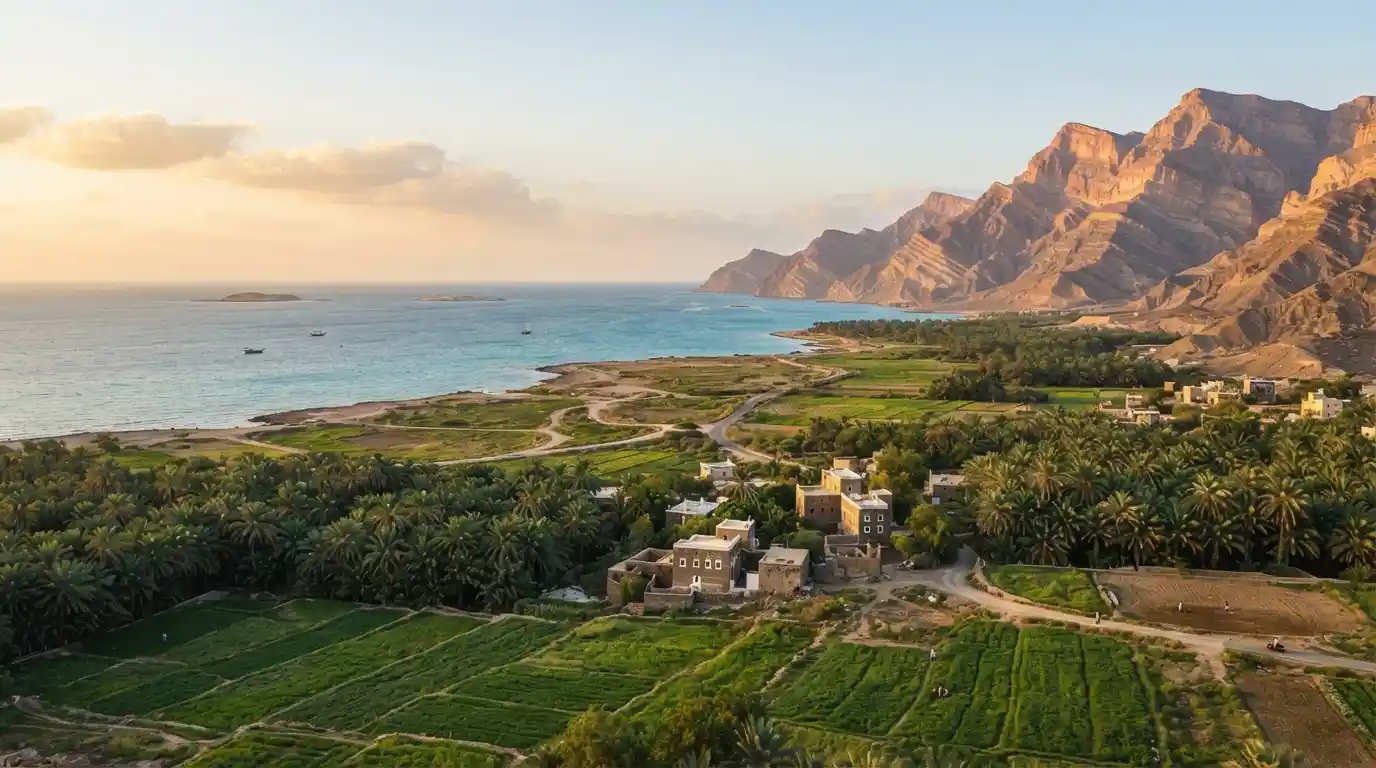
Jazan is one of Saudi Arabia’s most geographically diverse destinations, combining a warm Red Sea coastline, islands and coral environments, fertile plains, mountain villages, terraced farms, traditional markets and a distinctive southern cultural identity within one region. For travelers who want something different from Saudi Arabia’s better-known major cities, this Jazan travel guide introduces a destination where a coastal city can serve as the starting point for marine experiences, heritage exploration and trips into dramatically greener highlands.
Jazan lies in southwestern Saudi Arabia on the Red Sea, and the wider region stretches along a substantial section of the southern coastline. Official Saudi tourism information highlights Jazan’s combination of coastal scenery, historical character and access to the Farasan Islands, while Saudipedia describes a broader landscape of mountains, plains, valleys and beaches. That variety is the main reason to visit: Jazan is not simply a beach destination, nor is it only a mountain escape. It works best when travelers understand that the city, coast, islands and highlands provide quite different experiences.
For a first visit, use Jazan City as the practical base and then decide how deeply you want to explore the surrounding region. Travelers primarily interested in urban sightseeing can concentrate on the waterfront, heritage sites and local dining, while nature-focused visitors may add Farasan Islands, mountain landscapes or valleys. Our broader Saudi Arabia travel guide can help place Jazan within a wider Kingdom itinerary.
Jazan at a Glance
| Travel question | What to know |
|---|---|
| Best for | Coastal scenery, islands, marine life, mountain landscapes, heritage and regional food |
| Main base | Jazan City |
| Airport | King Abdullah Bin Abdulaziz International Airport, code GIZ |
| Getting around | Taxis or local transport work for city trips; a car or arranged driver is more useful for regional exploration |
| Major nature highlight | Farasan Islands and the surrounding marine environment |
| Mountain experiences | Fayfa and other highland areas, valleys, terraced farms and coffee-growing landscapes |
| Family suitability | Good, particularly waterfront, parks and selected island experiences |
| Climate | Generally warm on the coast; conditions differ considerably between coastal and mountain areas |
| Planning priority | Decide whether your trip focuses on city, islands, mountains or a combination |
| Safety priority | Check current official travel guidance, especially before driving toward areas closer to the Yemen border |
Why Visit Jazan?
The strongest reason to visit Jazan is variety. Within the wider region, the terrain changes from Red Sea shorelines and islands to Tihama plains and mountainous highlands. Saudi Arabia’s National Center for Meteorology describes the region as encompassing sea coast, plains, mountains and islands, while official tourism coverage emphasizes both the marine environment and Jazan’s cultural heritage. For travelers accustomed to associating Saudi Arabia primarily with desert scenery, this landscape can be an unexpected introduction to the Kingdom’s subtropical southwest.
That geographical variety also changes the style of trip you can have. One traveler might use Jazan primarily as a gateway to clear Red Sea water and island wildlife; another might be more interested in misty mountain roads, farms and traditional settlements. Food-focused visitors can explore regional produce and southern Saudi cooking, while travelers interested in history have fortresses, traditional architecture and maritime heritage to discover.
If you are deciding whether the destination matches your interests, the dedicated guide to whether Jazan is worth visiting goes deeper into the tradeoffs.
Explore Jazan City First
Jazan City is the administrative and practical center of the region. It provides the easiest concentration of accommodation, restaurants and transport services and is generally the logical place to begin a Jazan travel guide itinerary. The city sits directly on the Red Sea and offers a much more relaxed urban experience than the Kingdom’s largest metropolitan areas.
The waterfront is particularly useful for a first orientation. Coastal promenades and public spaces provide opportunities for evening walks when temperatures are more comfortable, while the city’s location makes seafood and maritime culture an obvious part of the local identity. Families can also explore the wider selection of parks in Jazan when they want easier recreational stops between longer excursions.
Jazan is not a destination where you need to race between dozens of monuments. It is better approached as a base from which different environments open outward. Spend enough time in the city to appreciate its character, but keep room in your plans for the coast, islands and mountains.
For a broader overview of attractions without turning this destination guide into a checklist, see things to do in Jazan.
Experience Jazan’s Heritage
Jazan’s cultural landscape is shaped by coastal, agricultural and mountain communities, which gives the region more architectural and cultural variety than first-time visitors may expect. Saudipedia identifies Al-Dosariyah Castle among the notable historical attractions, while Saudi Press Agency reporting describes fortresses throughout the region as important surviving examples of defensive architecture and local construction traditions.
Jazan Heritage Village is another useful introduction. Located along the southern corniche, it brings together architectural styles and crafts associated with several environments in the region, including mountain, coastal and Farasani traditions. It can be especially worthwhile for travelers who do not have enough time to visit every part of the province independently.
Travelers who want to go beyond a brief introduction can use the dedicated culture and heritage in Jazan guide for deeper historical context.
Make Time for the Farasan Islands
The Farasan Islands are the region’s best-known marine attraction and one of the most compelling reasons to include Jazan in a Saudi Arabia itinerary. The archipelago lies offshore in the Red Sea and contains coral environments, mangroves, seagrass areas, wildlife habitats and long-established island communities.
UNESCO recognizes Juzur Farasan as a Biosphere Reserve comprising more than 170 islands and islets, with ecosystems that include coral reefs, mangroves, seagrass meadows and salt marshes. It is important to describe that status accurately: Farasan is a UNESCO Biosphere Reserve rather than assuming that every UNESCO-associated destination is automatically a World Heritage Site.
Marine activities can include snorkeling, diving, wildlife observation, boating and time on quieter beaches, although conditions, operators and access arrangements can vary. Conservation matters here. Visitors should avoid touching coral, disturbing wildlife, removing shells from protected environments or leaving waste behind.
Jazan functions as the mainland gateway, and passenger ferry operations connect Jazan and Farasan. Because departure arrangements can change, verify the current ferry or boat details before committing to a tightly timed island connection. Transport Authority reporting confirms continuing passenger-ferry activity on the Jazan–Farasan route.
For detailed island planning, continue with the Farasan Islands travel guide and how to get to Farasan Islands.
Discover the Mountains Beyond the Coast
A complete Jazan travel guide should not stop at the shoreline. The inland highlands transform the region visually, with steep mountains, green terraces, villages and agricultural landscapes that contrast sharply with the hot coastal plain.
Fayfa is among the best-known mountain areas, while Wadi Lajab is frequently highlighted as another significant natural attraction in the region. Recent official coverage also emphasizes Jazan’s terraced agricultural landscapes and mountain coffee farms, some of which increasingly combine agriculture with rural visitor experiences.
Mountain travel requires more preparation than moving around Jazan City. Roads can be winding, gradients can be steep, weather can vary with elevation, and visibility may change quickly in cloudier conditions. Travelers uncomfortable with mountain driving may prefer an experienced local driver or organized excursion.
Instead of trying to squeeze several distant mountain areas into one rushed outing, choose fewer places and leave extra driving time. Our guide to day trips from Jazan covers the practical choice between different regional excursions.
Beaches, Sea and Outdoor Experiences
Jazan’s Red Sea setting means the coast naturally plays a major role in the trip. The experience varies from urban waterfronts to quieter stretches of coastline and the more environmentally sensitive waters around Farasan. Conditions can differ significantly by location, so travelers should not assume that every attractive piece of coastline is a designated swimming beach with facilities or lifeguards.
If swimming is a major priority, research the exact access conditions before leaving your accommodation and bring appropriate sun protection, drinking water and footwear. Marine conditions can also affect snorkeling and boating, particularly when wind or visibility changes.
Travelers who want to compare swimming areas can use the dedicated guide to the best beaches in Jazan. More active visitors can also explore outdoor activities in Jazan and snorkeling in Jazan.
Understand Jazan’s Weather Before You Go
Weather can have a substantial impact on a Jazan trip because the region combines humid coastline with elevated mountain terrain. The National Center for Meteorology characterizes Jazan as having a warm tropical climate and explicitly distinguishes the region’s coast, Tihama plains, mountains and islands. Current meteorological observations also demonstrate how temperatures can differ between Jazan’s lower areas and elevated locations such as Fayfa.
On the coast, heat and humidity can make long walks in the middle of the day uncomfortable. Morning and evening sightseeing often feels easier, while air-conditioned indoor stops can be useful during hotter periods. In the mountains, temperatures can be noticeably lower, but cloud, rain and changing road conditions introduce different considerations.
Because the decision about when to travel depends on your preferred experiences rather than temperature alone, use the dedicated best time to visit Jazan guide for seasonal recommendations. Travelers who want climate information rather than a travel recommendation can refer to Jazan weather by month.
What to Eat in Jazan
Food reflects Jazan’s geography. Saudipedia describes the region’s traditional cuisine as drawing from coastal fish, mountain products such as meat, honey and ghee, and crops from the plains. One distinctive traditional dish is marsa, prepared from bread mixed with banana and typically enriched with ingredients such as ghee and honey.
Agriculture is equally important to the region’s identity. Jazan is strongly associated with mango cultivation, while the mountainous areas are known for Khawlani coffee. Recent official reporting describes both mango farms and mountain coffee farms becoming part of rural and agricultural tourism experiences.
For a first visit, try a combination of seafood, southern Saudi dishes, seasonal produce and locally associated coffee rather than limiting meals to familiar international chains. The guides to food in Jazan and the best restaurants in Jazan provide more detailed choices.
Shopping and Local Products
Shopping in Jazan is most interesting when approached as part of understanding the region rather than as a major luxury-retail activity. Local markets and specialist shops may offer agricultural products, coffee, honey, spices, traditional crafts and seasonal produce. Availability naturally changes across the year.
If you are buying food products to take home, check airline baggage and destination-country import rules before purchasing large quantities. Travelers interested in gifts and regional products can continue to shopping in Jazan.
Getting to Jazan
Air travel is usually the simplest option for visitors arriving from elsewhere in Saudi Arabia. King Abdullah Bin Abdulaziz International Airport uses the IATA code GIZ and serves Jazan. Saudipedia places the airport close to central Jazan City, while current aviation reporting from the General Authority of Civil Aviation continues to list King Abdullah Bin Abdulaziz International Airport among Saudi Arabia’s active airports.
Travelers planning connections should still verify flight schedules directly with their airline, particularly when regional conditions are changing. Leave sensible connection time if your onward plan includes a boat departure or a long mountain drive rather than assuming every segment will line up perfectly.
Getting Around Jazan
Within Jazan City, travelers can combine taxis, ride services or arranged transportation depending on availability. A rental car becomes much more valuable when the itinerary extends to outlying beaches, agricultural areas or mountain destinations.
The tradeoff is straightforward: driving gives independence, but highland routes require more concentration than urban roads. If your trip includes steep mountain areas and you are unfamiliar with this type of terrain, using a local driver can reduce stress and allow you to focus on the scenery.
For practical transport choices, parking considerations and regional driving, see getting around Jazan and driving in Jazan.
Where to Stay
Jazan City is the most versatile base for a first trip because it keeps you close to the airport, restaurants, waterfront areas and transport connections. Staying centrally is particularly useful if you plan to divide your time between urban sightseeing and regional excursions.
The ideal location changes if your priority is different. Travelers focusing heavily on Farasan may benefit from spending some time on the islands rather than repeatedly returning to the mainland, while mountain-focused visitors may prefer accommodation closer to their chosen highland area where suitable options are available.
For neighborhood and accommodation tradeoffs, use the detailed guide to where to stay in Jazan.
Planning Your Time in Jazan
Avoid planning Jazan as though every attraction sits within one compact urban district. The region’s appeal comes from geographical spread, which also means travel time matters.
A sensible trip starts by deciding which two or three themes matter most: city and culture, islands and marine life, mountains and nature, food and agriculture, or a mixture. Once those priorities are clear, route planning becomes much easier.
The full Jazan itinerary explains how to structure the destination without forcing every traveler into the same schedule. Visitors with very limited time can also consult one day in Jazan, while longer visits are covered separately rather than being compressed into this destination overview.
Jazan for Families
Jazan can work well for families because it offers a mixture of low-effort city activities and more adventurous outdoor experiences. Waterfront walks, parks, heritage attractions and relaxed meals are relatively easy to combine, while Farasan or mountain excursions require more logistical preparation.
For younger children, plan around heat and avoid long midday periods outdoors on the coast. Take more water than you expect to need, use high-protection sun care and keep a change of clothing available for boat or beach days. Families going into the mountains should also consider motion sickness on winding roads.
The dedicated guide to Jazan with kids covers family-focused activities and planning in more detail.
Accessibility Considerations
Travelers with reduced mobility should distinguish between Jazan City and the region’s nature attractions. Modern hotels, major transport facilities and developed urban areas are generally easier to navigate than mountain viewpoints, historic structures, beaches or natural valleys.
Surfaces at heritage sites can be uneven, and some attractions may involve stairs, slopes or sandy terrain. Boat boarding can also be difficult depending on the vessel and sea conditions. Contact accommodation providers, tour operators or attractions directly when step-free access, accessible bathrooms or mobility assistance is essential rather than assuming accessibility from general tourism descriptions.
Safety and Practical Awareness
Jazan City and the main visitor areas should be approached with the same practical preparation required for travel elsewhere in Saudi Arabia, including respect for local law, modest public behavior, heat management and normal care with valuables. However, the region’s position in southwestern Saudi Arabia creates an additional consideration: parts of Jazan Province extend toward the Yemen border.
Current official foreign-government travel guidance warns against travel in areas close to the Saudi–Yemen border, and some guidance also notes the possibility of regional security developments affecting infrastructure and transport. Visitors should check the latest official advice relevant to their nationality immediately before travel, follow Saudi authority instructions and avoid unplanned drives toward border or military areas.
This does not mean treating every part of Jazan as though it has identical conditions. It means knowing exactly where you are going, monitoring reliable updates and not improvising journeys into sensitive areas.
Responsible Travel in Jazan
Environmental care matters especially around Farasan, coral environments and mountain landscapes. Use established tracks where required, avoid disturbing wildlife, never stand on or collect coral, take rubbish away from undeveloped areas and follow instructions within protected zones.
Local culture deserves the same respect. Ask permission before closely photographing people, dress appropriately in public places and treat villages, farms and traditional markets as living communities rather than outdoor exhibits.
Travelers seeking quieter environments can explore nature spots in Jazan while keeping conservation and local access rules in mind.
A Practical Jazan Travel Guide Checklist
Before arriving, confirm your accommodation, flight details and the destinations you intend to visit outside the city. If Farasan is part of the trip, check current transport arrangements rather than relying on an old timetable. If mountains are part of the plan, consider driving conditions and whether you would be more comfortable with a local driver.
Pack for heat as well as environmental variation. Lightweight modest clothing, strong sun protection, comfortable walking shoes, reusable water bottles and a light layer for cooler or air-conditioned environments cover most situations. Bring appropriate footwear for beaches or rocky natural sites if those are important to your plans.
Most importantly, resist overplanning. Jazan works best when travel time, weather and geography are treated as part of the experience rather than obstacles between attractions.
Final Thoughts
Jazan rewards travelers who want to see a different side of Saudi Arabia. Its combination of Red Sea coastline, protected islands, mountain landscapes, agricultural traditions, regional food and southern heritage creates a destination with far more variety than its relatively compact city center initially suggests.
The key to using this Jazan travel guide successfully is to choose your priorities. Stay mainly in Jazan City if you want convenient coastal sightseeing and food; devote additional time to Farasan if marine landscapes are the main attraction; or head toward the mountains if greenery, villages and agricultural scenery appeal more strongly. Trying to cover every environment at once can turn the trip into too much driving, while a selective plan gives each part of the region room to make an impression.
For travelers prepared to combine city comfort with nature and regional exploration, Jazan can become one of the most distinctive stops on a wider journey through southwestern Saudi Arabia.
Frequently Asked Questions About Jazan
Is Jazan worth visiting?
Yes, especially for travelers interested in a combination of Red Sea scenery, islands, mountain landscapes, heritage and regional food. It is particularly appealing if you want a destination that feels different from Saudi Arabia’s major metropolitan centers.
What is Jazan best known for?
Jazan is strongly associated with the Farasan Islands, its Red Sea coastline, tropical agriculture, mountain scenery, Khawlani coffee and the cultural traditions of southwestern Saudi Arabia.
Can you visit Farasan Islands from Jazan?
Yes. Jazan is the main mainland gateway to the Farasan Islands, and passenger ferry services operate on the route. Confirm current departure arrangements before travel because schedules and procedures can change.
Do I need a car in Jazan?
Not necessarily for a city-focused stay. A car or arranged driver becomes much more useful when exploring mountain areas, nature sites and destinations spread across the wider region.
When is the best time to visit Jazan?
Comfort depends heavily on whether you plan to spend most of your time on the coast or in the mountains. Coastal Jazan is generally warm and can be humid, while elevated areas can be noticeably cooler. See the dedicated seasonal guide for a full comparison.
Is Jazan suitable for families?
Yes. Waterfront areas, parks, cultural attractions and selected island experiences can work well for families. Parents should plan carefully for heat, boat travel and winding mountain roads.
What food should I try in Jazan?
Look for local seafood, southern Saudi dishes, seasonal mango products, honey and Khawlani coffee. Traditional Jazan cuisine reflects coastal, mountain and agricultural ingredients.
Is Jazan safe for tourists?
Travel conditions vary across the wider province. Visitors should monitor current official travel advice and avoid border areas where government advisories recommend against travel. Follow local authority instructions and verify transport conditions before longer regional journeys.
How long should I spend in Jazan?
That depends on how much of the region you want to explore. A city-focused visit requires much less time than a trip combining Jazan City, Farasan and the mountains. Use the dedicated itinerary guides to choose a schedule that matches your priorities.
What should I wear in Jazan?
Choose lightweight, breathable and modest clothing suitable for Saudi Arabia’s warm climate. Add comfortable shoes, strong sun protection and clothing appropriate for boat, beach or mountain activities depending on your plans.